
Packing is the part of moving that most people put off for as long as possible. Booking the moving truck feels like progress. Sorting out the new home feels exciting. But standing in front of a kitchen cabinet full of mismatched containers at 11 pm, wondering why you own so many mugs, is when the reality of moving house usually hits.
The easiest way to keep packing under control is to have a clear order from the start. Whether you are moving from a 3-room HDB flat in Bedok, a 5-room flat in Tampines, a condo in Queenstown or a landed property, the same basic principle applies: start early, work room by room and avoid packing things you do not actually want to take with you.
Based on research into the packing process and the situations homeowners commonly face during a move, this guide covers everything from how to start packing and choose the right materials to packing furniture, estimating how long the job will take, dealing with unwanted items, and deciding when professional packing services in Singapore are worth considering.
How to start packing for moving house
Before folding a single box, take time to plan the move. This is one of those jobs that feels unnecessary when you are eager to get started, but it can save hours later.
Start by confirming your moving date. If you live in an HDB flat, check the arrangements that apply to your block and Town Council. If you are moving between condominiums, check with the management offices at both properties about lift, loading bay and moving arrangements. Do this early if you are moving on a weekend because available slots may be limited.
Once the date is confirmed, walk through the whole home before you start packing.
For every item, ask yourself:
- Am I taking this to the new home?
- Could I sell or donate it?
- Does it need to be disposed of?
This is particularly important in Singapore, where storage space can be limited. There is little sense in spending time wrapping, carrying, and paying to transport things that you have not used for years.
Build a Room-by-Room Packing Plan
Do not create one enormous list that simply says “pack the house”. Break the job down into areas.
A practical order is:
- Storeroom and rarely used items
- Guest room or spare room
- Study or home office
- Main bedroom, except daily essentials
- Living room
- Kitchen, except items used every day
- Toiletries and daily essentials
The idea is simple. Pack the things you use least first and leave the things you need every day until later.
You can also keep a simple inventory as you go. You do not need to record every spoon, but noting the number of boxes from each room can make it easier to check that everything has arrived at the new property.
Packing Materials You’ll Need
Running short on materials, or buying the wrong ones, is how a lot of people lose momentum halfway through. For an average 4-room flat, here’s what you’re looking at.
Packing Boxes for Moving House: roughly 30 to 40 for a 4-room flat, in a mix of sizes. Small ones for books and anything heavy, medium for kitchenware and toys, large for bedding and soft furnishings. Keep heavy items in small boxes only — an overloaded large box is harder to lift and more likely to split or get dropped in transit. You can pick these up from moving companies, hardware stores, or NTUC FairPrice Xtra, which also sells polystyrene foam boxes, genuinely handy for hauling frozen and chilled food out of your fridge on moving day. It’s one of those things nobody thinks about until the morning it becomes a problem.
Bubble wrap and packing paper for glassware, mirrors, framed art, electronics. Newsprint does the job for plates and anything less fragile.
Packing tape, and buy more than feels necessary. Running out mid-pack and making a Watsons run at 9pm is a rite of passage for anyone who’s moved house in this country.
Stretch wrap keeps drawers shut in transit and protects upholstered furniture from scuffs and dust.
Ziplock bags for screws, bolts, and small hardware. Tape each bag directly onto the furniture piece it came from so nothing wanders off.
A permanent marker and some kind of labelling system. Colour-coded stickers by room save you from repeating instructions to your movers on the day itself.
For materials alone, a 4-room flat runs about S$120 to S$250 if you’re doing it yourself. Larger homes or condos usually land closer to S$300 to S$400. Boxes themselves cost roughly S$2 to S$5 each, depending on size and whether they’re new or secondhand.
Best Way to Pack When Moving House: A Room-by-Room Guide
A bookshelf and a wardrobe don’t pack the same way, so there’s no single method that works for the whole flat.
Bedroom
Clothes go straight into large boxes, or into wardrobe boxes with a hanging bar if you want to skip a mountain of ironing later. Bedding and towels double as padding for anything fragile elsewhere, so save the bubble wrap for things that actually need it. Take apart bed frames the evening before, not the morning of. It always takes longer than you think.
Kitchen
This is the room people underestimate most. Wrap plates on their side, like records in a crate, rather than stacking them flat. It cuts down on breakage noticeably. Wrap glasses and mugs individually and pack them tight so they can’t shift around in transit. Set aside a small kitchen kit, a kettle, some cutlery, coffee or tea, in a separate bag rather than a box, since you’ll want it working again within hours of arriving.
Living Room
Books are heavier than people expect, so use small boxes and don’t fill them to the brim. Put electronics back in their original boxes if you kept them; if not, wrap the cables separately and label which device each one belongs to, because untangling a mystery knot of cables in a new flat is nobody’s idea of fun. Snap a photo of your TV and entertainment unit wiring before you unplug anything.
Bathroom
Bag up liquids, shampoo, cleaning products, anything with a lid, before boxing them. Singapore’s humidity plus a bumpy truck ride is a fairly reliable recipe for leaks. Keep daily toiletries in your own bag, not a box. Medication and other important personal items should also stay with you rather than go on the truck.
Study and Storeroom
Passports, certificates, bank documents, anything sensitive, travels with you personally, never on the truck. Every established mover here will tell you the same thing. The storeroom is usually a good place to start packing, since most of what’s in there isn’t needed day to day, and it tends to hide the stuff people forgot they owned, so expect your donate pile to grow fastest here.
How to Pack Furniture for Moving
Furniture is where most damage happens, and most of it is avoidable.
Measure your furniture against the doorways, corridors, and lift dimensions at both ends of the move before you commit to anything. This sounds like overkill until you’re standing in a void deck realising the sofa doesn’t fit through the lift door. HDB lift doors run around 0.8 metres wide, and quite a few older blocks have interiors narrower than people assume. A standard three-seater sofa can measure anywhere from 190cm to 230cm wide, which often means tilting it on its side, partially dismantling it, or in some older blocks, walking it down the stairwell instead.
Take apart what you can: bed frames, large dining tables, wardrobes with removable shelving. Snap a photo of any tricky connections or bracket arrangements before you start, it makes reassembly far less of a guessing game later. Keep every screw and bracket in a labelled bag taped straight onto the matching piece. This one habit prevents more reassembly headaches than anything else in this guide.
Singapore’s humidity is worth thinking about with wooden furniture specifically. Moving blankets work better than plastic sheeting here, since plastic can trap moisture against the wood during transit and contribute to warping down the line. Fabric sofas and upholstered chairs hold up better with stretch wrap around them, protecting them from scuffs against doorframes and walls along the way.
Moving House Packing Tips That Actually Save Time
A handful of habits make the difference between a smooth move and a chaotic one.
Keep an essentials bag with you personally rather than on the truck: a change of clothes for a day or two, chargers, toiletries, medication, important documents, some snacks and water, plus anything the kids might need overnight. Treat it like an overnight bag, because your first night in a new place is not the time to be digging through forty identical boxes for a toothbrush.
Label boxes with the destination room and a rough description of what’s inside, not just “misc.” Something like:
MASTER BEDROOM
BED LINEN + PILLOWCASES
Movers place boxes correctly on the first try when the label actually tells them something.
Don’t overload boxes. A box too heavy to lift safely is a box that gets dropped, and Singapore’s older lift lobbies and shophouse staircases don’t leave much room for wrestling an oversized carton around a corner.
Photograph your electronics setup and any furniture before you take it apart. You’ll thank yourself later, usually around 9pm while reassembling a bed frame from memory.
How Long Does It Take to Pack a House?
Packing time depends on the size of your home, how much you own and how much time you can spend each day. A rough guide for DIY packing is:
| Home type | Approximate packing time |
| 1 to 2-room flat | 3–5 days |
| 3-room flat | 7–10 days |
| 4-room flat | 10–14 days |
| 5-room or executive flat | 14–21 days |
| 2 to 3-bedroom condo | 14–21 days |
| Landed property | 3–4 weeks |
These are only planning estimates. If you are packing after work, have many belongings or need to declutter first, allow extra time. The less you need to sort and pack, the quicker the move will be.
How to Pack a House Quickly
Sometimes there’s no three-week runway. If you’re packing for shifting house in under a week, prioritise hard instead of following the full room-by-room approach above.
Hit the non-essential rooms first: storeroom, guest room, anything you haven’t touched in months. Drop the perfect labelling system for broad categories, “kitchen non-essential,” “bedroom clothes,” instead of itemising every single box. Get help specifically for the physical work, disassembling furniture, carrying boxes, so your own time goes toward decisions rather than lifting. And if the timeline genuinely doesn’t allow for any of this, a packing service earns back its cost in saved stress alone.
Moving House Packing Checklist
A checklist split by timeline tends to be more useful than one giant undifferentiated list.
Before you start packing:
- Confirm your moving date and book lift usage with your town council or condo management
- Declutter room by room: keep, sell, donate, dispose
- Buy boxes, tape, bubble wrap, and labels
- Measure large furniture, doorways, and lift dimensions at both ends
1 to 2 weeks out:
- Pack the storeroom, guest room, and anything rarely used
- Pack books, decor, and out-of-season clothing
- Start disassembling furniture you won’t need before the move
- Arrange donation or disposal pickup for anything you’re leaving behind
A few days out:
- Pack the kitchen, aside from daily essentials
- Confirm final details with your moving company
- Pack your essentials bag: clothes, chargers, toiletries, documents
- Defrost and clean the fridge if it’s coming with you
Moving day:
- Keep valuables, documents, and your essentials bag with you, not on the truck
- Do a final check of every cupboard and drawer before you leave
- Confirm furniture placement with your movers before they start unloading
What to Do With Items You’re Not Bringing
Every move surfaces things you don’t want anymore, and Singapore has a fairly specific system for handling this that’s worth knowing before moving week, not during it.
HDB residents get free bulky item collection through their town council, usually capped at three items per unit per month, and it needs booking at least three working days ahead. A dining set of a table and six chairs can count as several items under that limit, so plan around it if you’re clearing out multiple large pieces. Some estates also exclude items being disposed of specifically because of a house move, so it’s worth checking directly with your town council rather than assuming. Condo and landed homeowners generally go through their estate’s management office or a licensed waste collector instead.
Beyond the free allowance, or if the town council’s booking slots don’t line up with your move date, a paid disposal service is usually the path of least resistance, particularly one bundled with the same team handling your packing.
Should You Hire House Packing Services?
Packing yourself saves money. It doesn’t always save your weekend, your back, or your patience, especially if you’re juggling a full-time job, kids, or a larger home at the same time.
A professional packing team in Singapore can typically get through an entire flat in half a day, work that would otherwise eat a week or two of evenings. They bring their own materials, know how to wrap fragile items so nothing shifts in transit, and are usually quicker at furniture disassembly simply because they do it constantly, not once every few years. For households with a lot of glassware, art, electronics, or awkward furniture, the service often pays for itself just in breakages avoided.
How Much Does Packing Service Cost in Singapore?
Pricing generally splits into a few bands depending on scope. Treat these as general market ranges rather than fixed rates, since actual pricing varies by provider, flat size, and how much wrapping the fragile stuff needs.
- Per-box packing: usually S$8 to S$15 per box, covering the carton, wrapping materials, and labour
- Full-home packing bundled into a moving quote: typically adds S$150 to S$500 on top of the base moving cost, depending on flat size and how much needs wrapping versus simply boxing
- Partial packing, just the kitchen or just the fragile items: usually the better value for households comfortable packing clothes and books themselves
- Unpacking, quoted separately in most cases: generally S$100 to S$300, cheaper than packing since there’s less wrapping involved
Exact numbers depend on flat size, volume, and whether materials are included, so it’s worth asking for an itemised quote rather than relying on a number given over the phone.
Final Thoughts
Packing well comes down to starting earlier than feels necessary, working room by room instead of at random, and knowing which parts of the job are worth paying someone else to do. Whether you handle the whole flat yourself over two quiet weeks or bring in help for the rooms that would otherwise eat your entire weekend, the outcome you’re after is the same: everything arrives intact, and nothing important gets left behind.
Why Households Choose Moving Kaki for Their Pack & Move in Singapore
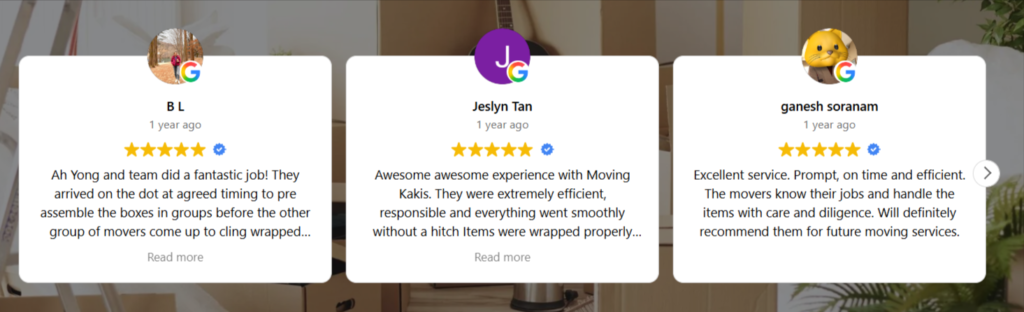
Packing is only one part of a move, and most households end up needing more than one service handled by more than one company unless they plan for it. Moving Kaki is one of the established movers in Singapore that handles the whole scope in-house, so you’re not stuck coordinating separate vendors for each part of the process. Their services cover:
- House, office, and furniture moving
- Packing and unpacking, full-home or just the rooms that need it
- Disposal of anything you’re leaving behind, before packing starts or after the truck pulls away
- Storage, for whatever doesn’t fit the new place right away or needs somewhere to sit in between
One team coordinating all of this usually means fewer scheduling gaps, no chasing three separate companies for three separate quotes, and a single point of contact if something needs to change on moving day.
Get in touch for a Free quote on packing, moving, or disposal:
Website: movingkaki.com
Email: Movingkaki@gmail.com
Phone No: +65 8866 9982